Privacy boards
Solid or semi-solid faces. Neighbor orientation is a decision, not a default you discover later. See privacy fence.
Wood
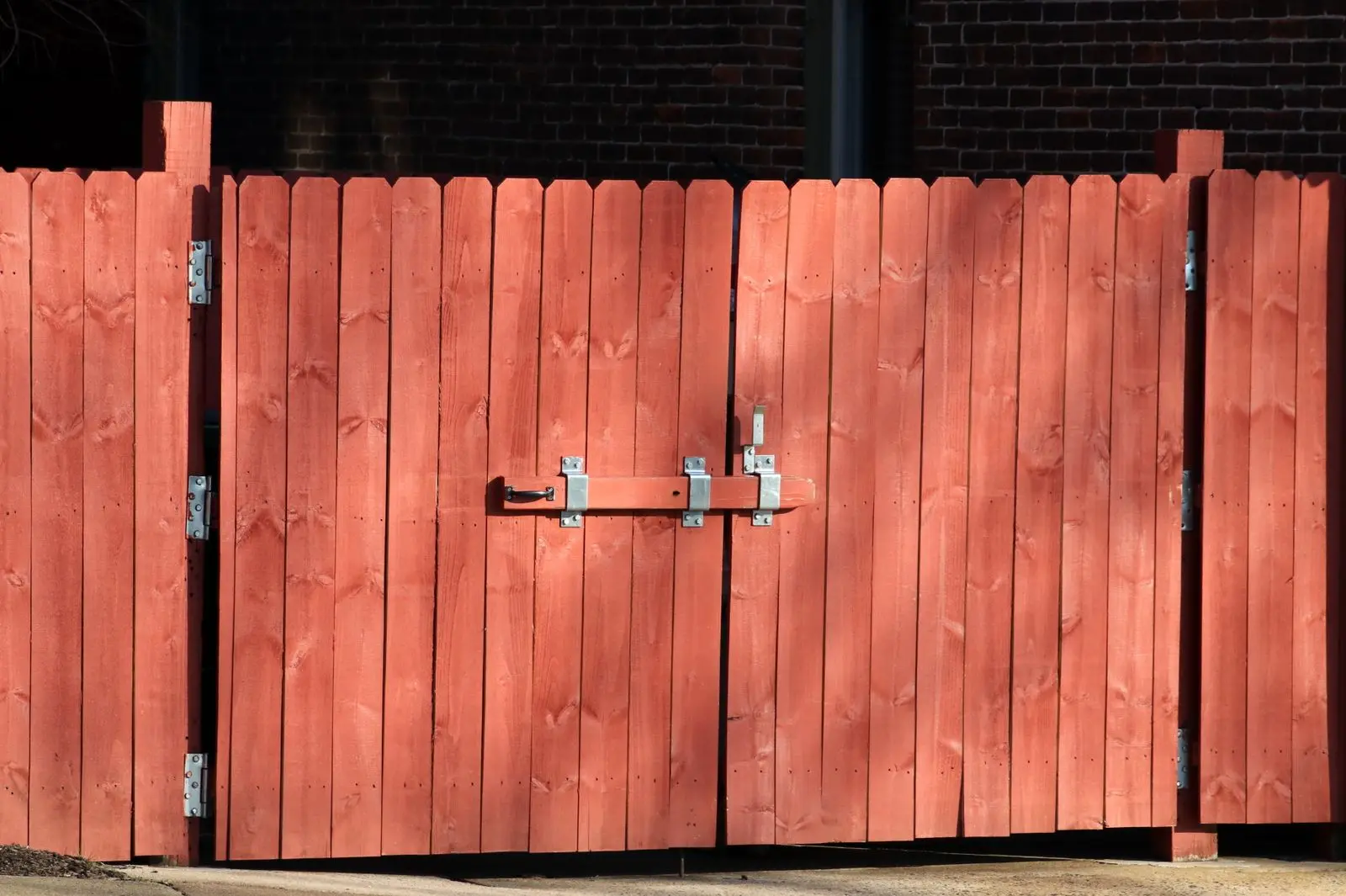
Wood is still the material that can match a porch, take a stain, and be repaired board by board. It also tells the truth about water.
Wood fence installation covers privacy boards, picket, shadowbox, and the gates that interrupt them. Cedar and pressure-treated pine are the usual species conversation. Redwood shows up in some markets and is specified when it is actually available, not as a decorative word.
Repair is the other half of the search. A wood fence fails first where the post meets the soil, then at rails that have cupped, then at boards that split. Gray color alone is not rot. Soft wood at the ground is. That is why a repair visit starts at the post, and a new installation specifies the post before the board profile.
Cost tracks species, height, board style, gate count, and whether the old fence is hauled away. A cap and trim package looks finished and adds labor. We quote the style you can point at, not a vague “wood fence” allowance.
Scope
Solid or semi-solid faces. Neighbor orientation is a decision, not a default you discover later. See privacy fence.
Spaced boards for a front yard that still wants to see the porch.
Boards on both sides of the rail. More lumber, more wind relief than a solid face, and a finished look from both yards.
Usually chosen for stability and how it takes stain. It is not rot-proof if it sits in soil.
A structural workhorse. It needs a finish plan and time to dry before some stains will hold.
Wood gates sag when the frame and the hinge post are light. See gates.
Compare
Species is only one line on the proposal.
| Choice | What you get | Watch for |
|---|---|---|
| Cedar boards | Straighter face, stain color | Posts still need a ground detail that is not “cedar in mud.” |
| Treated posts | Ground contact where specified | Cut ends need attention. Fresh treatment can reject stain. |
| Board-on-board | Privacy with a small overlap | More nails, more lumber, better than a single thin face in wind. |
| Dog-ear or cap | The top line you see from the street | Caps collect water if they are not detailed. |
| Kick board | A sacrificial board at the bottom | Useful where mowers and sprinklers hit the fence. |
Process
Privacy, picket, or shadowbox, and which side the neighbor sees.
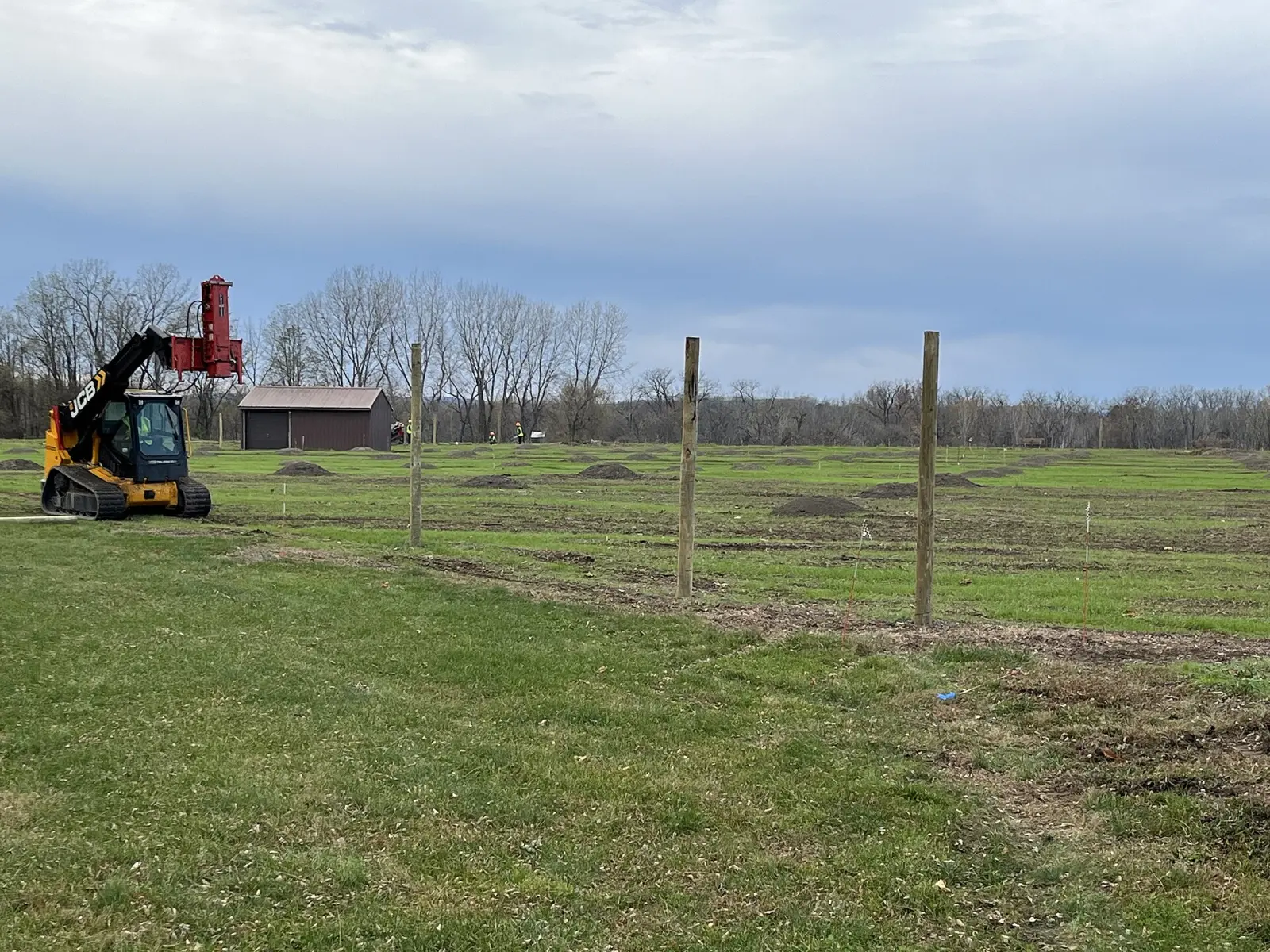
Posts and rails sized for height and for gates, not for the shortest bay only.
A consistent gap beats a fence buried in mulch. Buried boards stay wet.
A wood line is judged from the end, not from one pretty bay.
Diagonal bracing or a proper frame, hinges that match the weight, a latch you can use with one hand.
Stain, paint, or a season of weathering on purpose. Silence is how new wood becomes a blotchy repair. See maintenance.
Field notes
The boards can look fine. The post is the repair.
Daily water at the bottom is a finish and rot problem, not a landscaping detail to ignore.
Weight and moisture. A vine is not a structural specification.
It peels. The timing of a finish is part of the job, not an afterthought you buy at a store the same day.
A wood privacy fence is a wall with gaps you designed. Wind, sightlines, and the neighbor’s windows are the brief. A picket fence is a boundary that still shows the house. Mixing them on one lot is normal: picket at the street, privacy at the back. The proposal should show where the style changes so the corner is built for both.
Cedar fence repair and general wood repair follow the same test. If the rails hold a straight line and the posts are solid, boards can be replaced. If the post is soft, new boards only advertise the lean. Discontinued decorative tops can be simplified rather than faked. We would rather change the top detail than nail on a poor copy and call it a match.
Wood is not maintenance-free. Anyone who sells it that way is selling a different material. If you want to stop the stain cycle, read vinyl and compare the look against the house before you switch.
Questions
Cedar for the boards people see, treated posts where ground contact is required, is a common and sensible split. The proposal names which is which.
When it is dry enough to take the product, not on a calendar slogan. Treated lumber often needs longer than cedar.
Only if the height and the bottom gap match the dog. A short picket is not a universal pet fence.
Yes, when the posts allow it. See the repair page for how that decision is made.
Height and the street side often matter. We check the rule that applies to the property rather than quoting a national height.
Board style, gates, removal, and whether the line is flat. A single “wood fence cost” hides those.
Related
We confirm whether the address is in range before a visit is booked. The form prepares an email. It does not show a false delivery receipt.
Request an Estimate