Wood privacy
Board-on-board or solid. Stain is part of owning it. Wood.
Privacy
A privacy fence is a height, a face, and a wind load. The style is how you get there, not a separate law of physics.
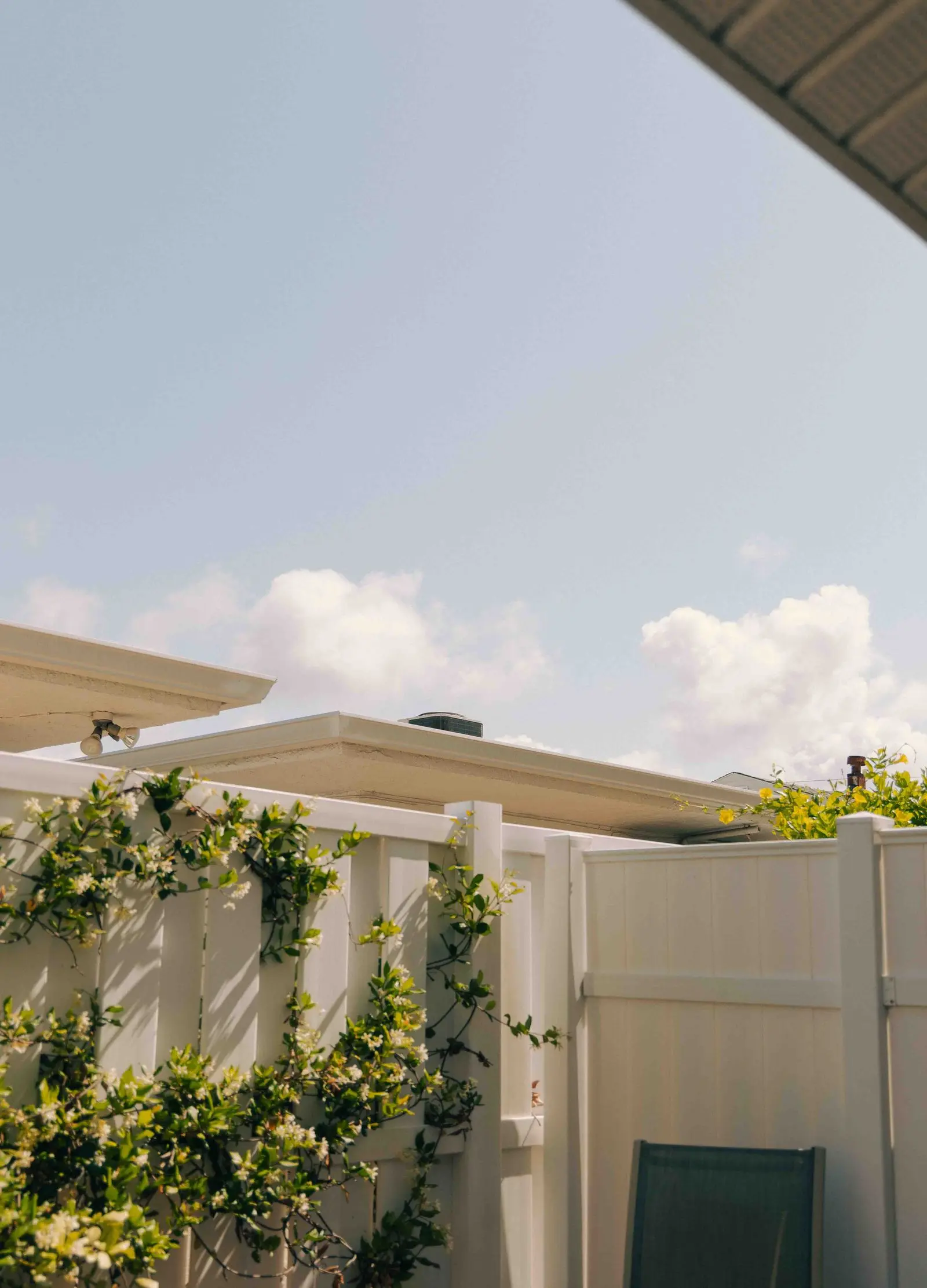
Privacy fence installation is what people want when the neighbor’s window, the alley, or the street is the problem. Wood board and vinyl panel are the two serious answers. A reed or slat screen can soften a chain link line. It is not the same structure as a six-foot wood wall, and it should not be priced as if it were.
Repair is a broken board, a cracked vinyl panel, or a post that leaned because the face caught wind. Concrete privacy walls are a masonry trade. If that is what failed, we will say we are not the mason. We repair wood and vinyl privacy fences and the gates in them.
Cost moves with height, solid versus shadowbox, gates, and whether the old fence comes out. Taller is not automatically allowed. Association rules and the city often cap height, especially toward the street. We quote the height you are allowed to build, not the height in a photo from another state.
Scope
Board-on-board or solid. Stain is part of owning it. Wood.
A consistent face without stain. Vinyl.
Privacy with air moving through. Better in wind than a sealed wall, and finished on both sides.
Who sees the rails is a conversation before the first board, not after.
A privacy gate is heavy. The post has to know that. Gates.
Sections and posts. Repair.
Compare
The goal is the blocked view. The material is how you maintain it.
| Option | Strength | Limit |
|---|---|---|
| Solid wood | Looks like the house, repairable board by board | Needs a finish. Catches wind. |
| Shadowbox wood | Two-sided look, some airflow | Not a total visual block at an angle. |
| Vinyl privacy | Wash instead of stain | Color and profile must stay available for repairs. |
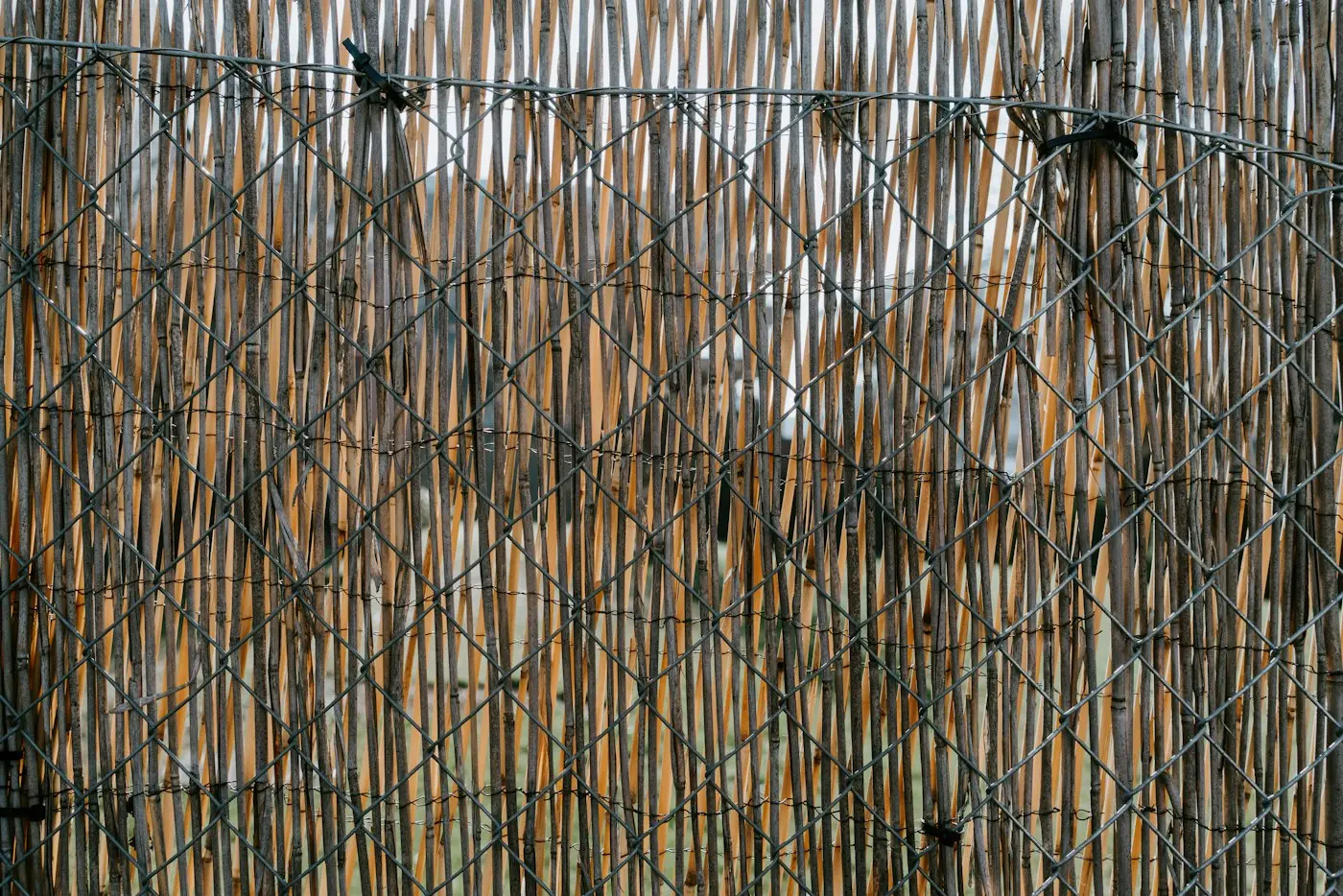
| Slats on chain link | Uses an existing frame | Not a wood wall. Wind and the frame matter. |
| Reed screen | Light, temporary feel | Not a structural privacy fence. |
Process
Which windows, which alley, which side of the lot. Height follows that, then the rule.
Street-side limits are often lower than backyard limits.
Wood or vinyl, and which yard sees the “good” side.
A privacy fence that is buried in soil stays wet. A small, even gap is usually healthier.
Mowers, bins, and the way the leaf swings into the slope.
Stain for wood, wash for vinyl. Maintenance is the follow-through.
Field notes
A beautiful fence that has to be cut down is an expensive lesson. We ask before we order.
Wind is the load. Posts and footings are the answer, not thicker-looking boards alone.
Say it on the proposal. Do not discover it at the end of the day.
They add weight and hold water. They are a garden, not a specification.
Pick wood when the house is carpentry and you will stain. Pick vinyl when you want the face to stay one color and you accept a manufactured look. Both can be six feet where six feet is allowed. Neither fixes a property-line dispute. The line is still your responsibility to establish.
One split board is a repair. A lean after a storm is a post question that may repeat two bays away. We check the neighbors of the damaged bay before we price a single board and leave. Concrete panel repair is outside this scope.
Questions
Material, height, gates, and removal. A solid face costs more in structure than a picket of the same length.
Wood if you want stain and board repairs. Vinyl if you want to stop staining. Both block a view when built solid.
Whatever the city and the association allow on that side of the lot. We do not promise a universal six feet.
The side you agree on before installation. It is written down.
Yes, in wood and vinyl, when the posts allow a section repair.
It blocks sight. It is not a sound studio. Expect less direct view, not silence.
Related
We confirm whether the address is in range before a visit is booked. The form prepares an email. It does not show a false delivery receipt.
Request an Estimate